
Large plastic waste application examples
Large Plastic Waste Recycling for Chairs, Crates and Bumpers
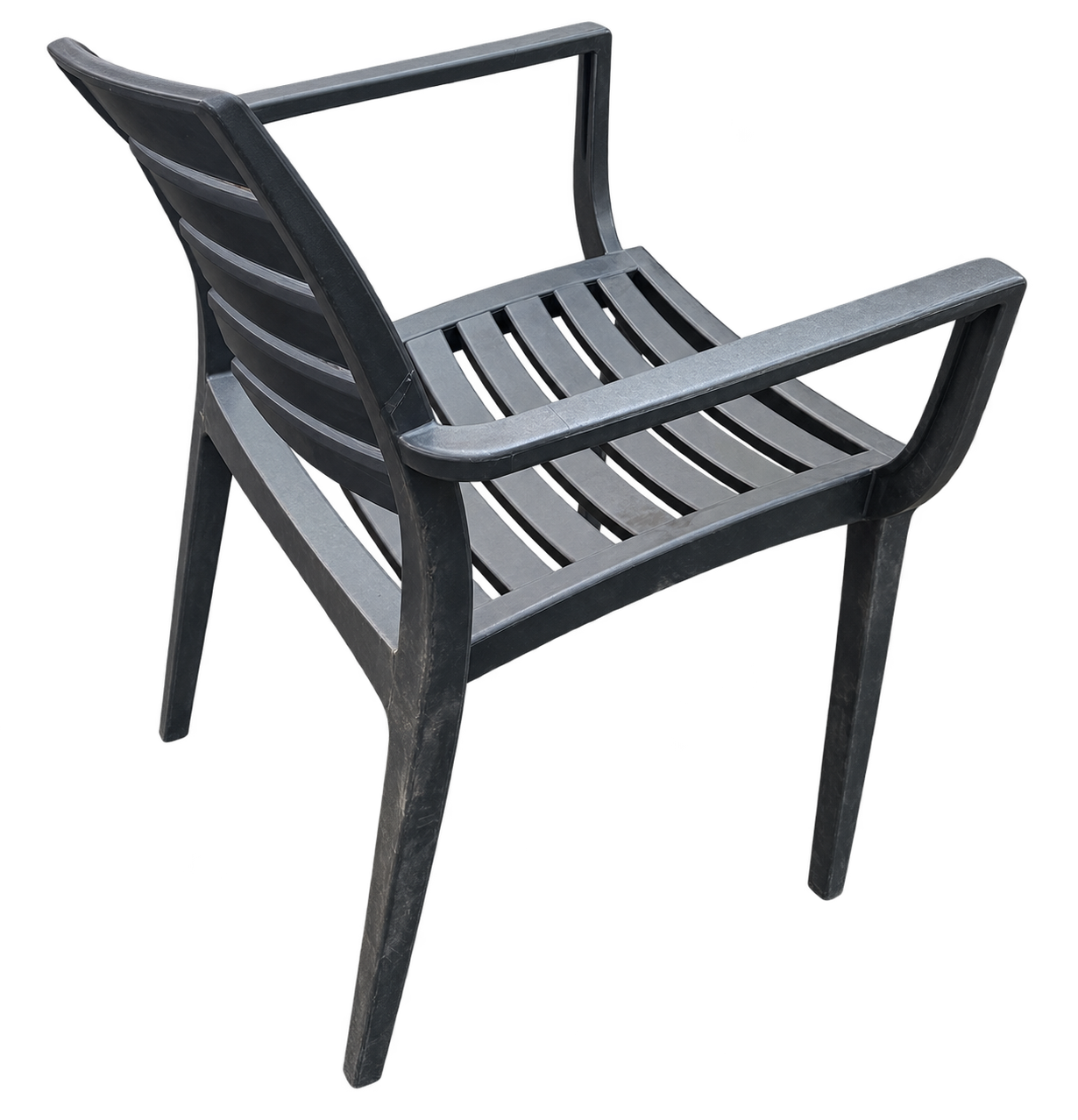
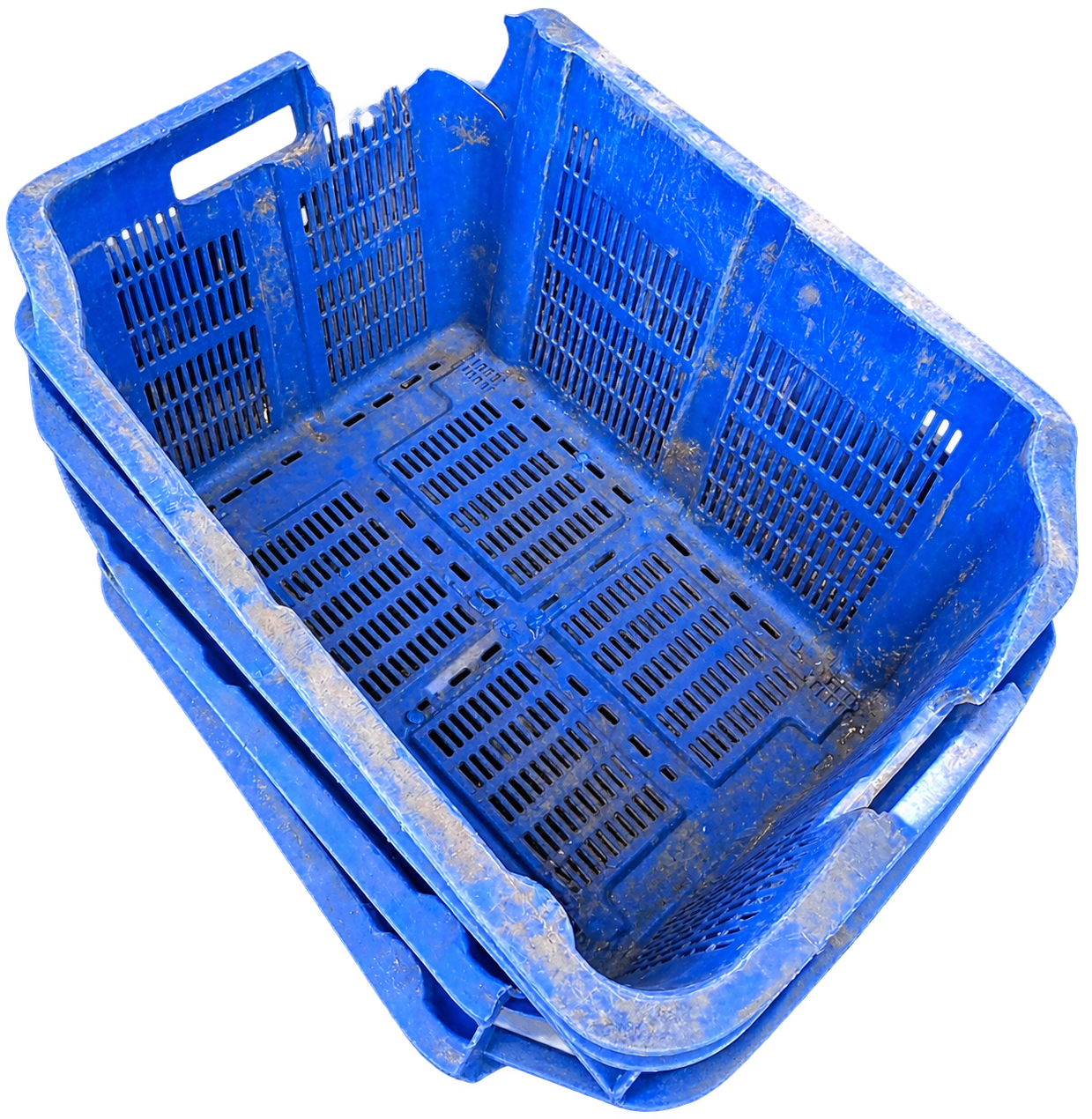
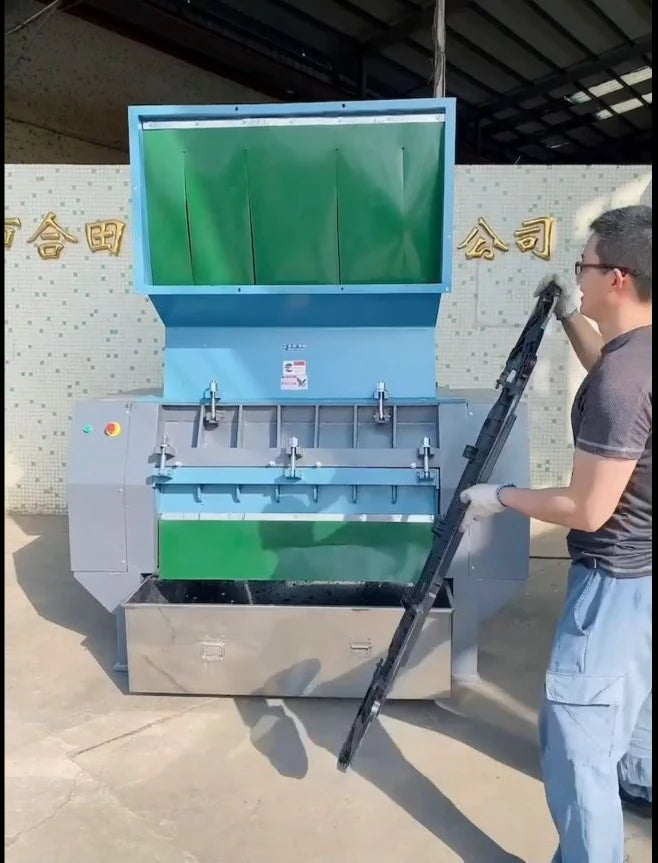
Large plastic waste includes bulky items such as pallets, chairs, crates, storage boxes and automotive bumpers. This page explains when pre-cutting is needed, shows examples of crushing whole items and compares large plastic granulators with sound-insulated granulators for recycling this waste.
HG6081 processing PP storage boxes at a customer site.
What Is Large Plastic Waste?
Large plastic waste refers to bulky plastic items such as shipping pallets, chairs, crates, storage boxes and automotive bumpers. It can come from faulty products made during production, crates or chairs broken in use, and used items that are thrown away.
How Is Large Plastic Waste Crushed?
Large plastic waste is crushed in a granulator. The wide body of a pallet, or the legs and back of a chair, can prevent the whole item from fitting through a small granulator's feed opening. (The following section compares the feed openings of the smaller HPC High Speed Crusher and the HG Large Plastic Granulator.)
When an item cannot enter whole, it is first cut into smaller pieces with a saw or table saw. The pieces are then moved and fed into the granulator. These extra cutting and handling steps make the process longer and expose operators to a risk of cutting injuries.
Large Plastic Waste FAQs
Can a 1.16 m × 1.16 m Plastic Shipping Pallet Be Crushed Without Pre-Cutting?
Yes. Our HG70141, HG70121, HG60122 and HG60121 large plastic granulators can crush a 1.16 m × 1.16 m plastic shipping pallet whole, without pre-cutting. An SG sound-insulated granulator can also be custom-built to process this pallet size without pre-cutting.
HPC and HG: Feed Openings and Waste Size
HPC is Hetian Machinery's High Speed Granulator series. These machines are smaller than the HG Large Plastic Granulator series. In our experience, their size and feed openings are similar to those of granulators commonly used in the plastics industry for runners and small to medium production scrap.
The following table compares HPC600, the second-largest HPC model we produce, with HG4061, our smallest HG model. It shows the difference in feed-opening size for handling large plastic waste.
| HPC600 | HG4061 | |
|---|---|---|
| Position in the series | Second-largest HPC model | Smallest HG model |
| Feed opening | 335 × 600 mm | 420 × 600 mm |
| Series application focus | Runners and small to medium production scrap | Bulky plastic products and production waste |
HG and SG Granulators for Large Plastic Waste
Both HG and SG can be used to crush bulky plastic waste. SG is designed to reduce noise when crushing these large plastic items. The Low Noise Solution page explains this design in more detail.

Bulky-product granulation
HG Large Plastic Granulator
HG crushes suitable bulky chairs, crates, boxes and bumpers. When the selected feed opening takes the complete object, it can reduce repeated manual cutting before crushing.
Explore HG Large Plastic Granulation →
Sound-insulated granulation
SG Sound-Insulated Plastic Granulator
SG crushes suitable bulky plastic waste inside an insulated body with sound-absorbing lining. This helps limit noise transmission into the surrounding work area during crushing.
Explore SG Sound-Insulated Granulation →